The emerald has one of the most fascinating histories of any gemstone on earth.
The earliest known emerald mines were located in Egypt, with records dating back to around 330 BC. Queen Cleopatra was famously devoted to this stone. She used emeralds extensively in her royal jewelry and is said to have claimed ownership of all the emerald mines in Egypt during her reign.
The Romans were equally captivated. The Roman writer Pliny the Elder wrote that no color is greener than that of an emerald. He also believed that gem cutters would rest their tired eyes simply by gazing at the stone, a belief that modern science has partially backed, since the color green is known to reduce eye strain.
South American civilizations, particularly the Incas and Aztecs, considered the emerald sacred long before European explorers arrived. When Spanish conquistadors reached Colombia in the 16th century, they discovered some of the richest emerald deposits ever found. Those Colombian stones quickly became the most prized in the world, and they still are today.
Where Are Emeralds Found?
Colombia remains the most celebrated source of emeralds globally. The mines at Muzo, Chivor, and Coscuez produce stones of exceptional quality. Each region yields a slightly different shade from the deep pure green of Muzo to the lighter, bluish-green tones of Chivor.
Colombia accounts for over 70 percent of the world's emerald supply. Other important sources include Brazil, Zambia, India, Austria, and the United States. But when it comes to color, clarity, and prestige, Colombian emeralds remain the industry standard.
Find Out: Best Anniversary Jewelry Gifts For Her
How Are Emeralds Graded?
Like all precious gemstones, emeralds are evaluated using the four Cs — color, clarity, cut, and carat weight.
Color is the single most important factor. A vivid, medium-to-deep green is the most desirable. Stones that are too dark or too pale are considered less valuable.
Clarity matters, but emeralds are naturally known for having inclusions, tiny internal characteristics formed during the stone's growth. In the gem trade, these are called jardin, the French word for garden. A completely flawless emerald is extremely rare and commands a very high price.
Cut affects how well the stone displays its color. The emerald cut, a rectangular step cut with clean lines, was actually developed specifically for this gemstone. It maximizes color and minimizes the risk of chipping.
Carat weight adds to the value, but a smaller stone with outstanding color will always outperform a larger stone with a dull, washed-out tone.
On a per-carat basis, the finest emeralds can be worth more than diamonds.
Emerald Hardness and Durability
Emeralds score between 7.5 and 8 on the Mohs hardness scale. That makes them durable enough for regular wear but not as tough as rubies or sapphires.
Most emeralds available on the market have been treated with oils or resins to fill surface fractures and improve their appearance. This is a completely standard and widely accepted practice in the jewelry industry. When buying an emerald, always ask about its treatment status.
How to Care for Emerald Jewelry
Emeralds need a little extra attention compared to harder gemstones. Here is how to keep yours in great condition.
Clean with warm water and a mild, chemical-free soap. Use a soft toothbrush and work gently. Rinse well and dry with a soft cloth.
Never use ultrasonic cleaners or steam cleaners. The heat and vibrations can damage both the stone and any treatment it has received.
Keep emerald jewelry away from harsh chemicals, direct sunlight, and high heat.
Store each piece separately in a soft pouch or fabric-lined box to prevent scratches from other jewelry.
Remove your emerald jewelry before gardening, cleaning, or any physical activity.
With consistent care, an emerald piece can be passed down for generations.
Emerald as a Gift and Anniversary Stone
Emeralds are not reserved only for May birthdays. They are also the traditional gemstone gift for 20th and 35th wedding anniversaries.
This makes emerald jewelry one of the most versatile and meaningful gift options available. Whether you are celebrating a birthday, a milestone anniversary, or simply want to give something with lasting significance, an emerald rarely disappoints.
Popular Emerald Jewelry Styles for May Birthdays
Emeralds look stunning in a wide range of jewelry styles.
Emerald rings are among the most popular choices, whether as a bold statement piece, a meaningful birthday gift, or even an engagement ring. Oval and round cuts work beautifully, as does the classic emerald cut.
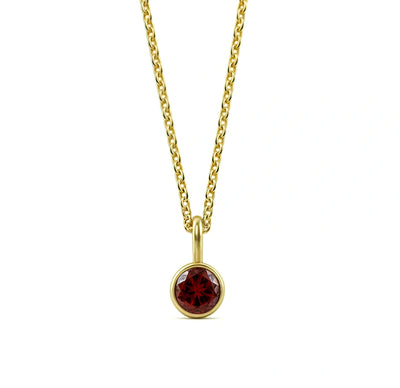
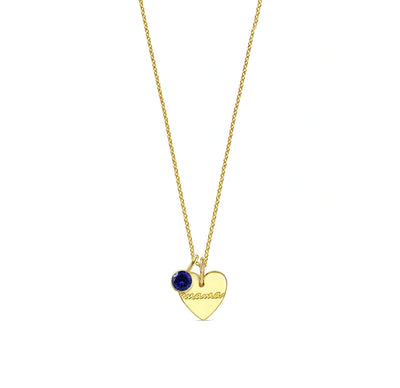
Emerald necklaces offer something for every preference. A simple solitaire pendant in yellow gold is clean and striking. Add diamonds alongside the emerald for a richer, more layered look.
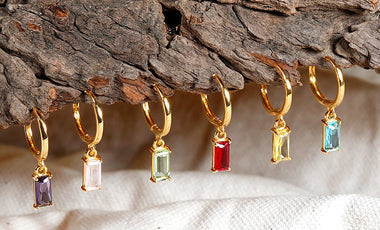
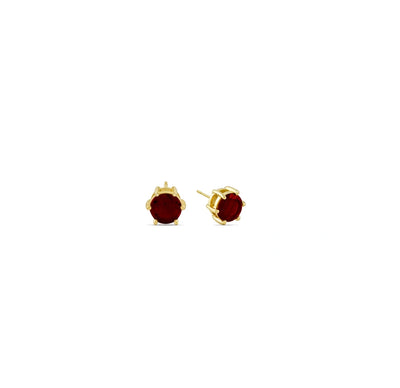
Emerald earrings are incredibly versatile. Studs work perfectly for daily wear, while drop earrings bring a more dramatic feel for evenings or special occasions.
Emerald bracelets are trending right now. Tennis bracelets featuring emeralds paired with diamonds are particularly popular at the moment.
Yellow gold has always been the go-to metal pairing for emeralds. The warm gold tone creates a vivid contrast against the cool green of the stone, and the result is always striking.
Is Emerald a Good Choice for an Engagement Ring?
The honest answer is yes with the right setting.
Emeralds are durable enough for daily wear, but they do require more care than diamonds. A protective setting, like a bezel or a halo, helps shield the stone from knocks and scratches.
Many people are drawn to emerald engagement rings precisely because they stand apart from the standard diamond solitaire. They offer deep color, rich history, and personal meaning. That combination is hard to beat.
Here is the rewritten section with bullet points for each gemstone:
Emerald vs Other Green Gemstones
Emeralds are often compared to other green gems. Here is how each one stacks up against a true emerald.
Emerald
- Comes from the beryl mineral family
- Gets its green color from chromium or vanadium
- Has a deep, vivid green color that is hard to match
- One of the rarest and most valuable gemstones in the world
Green Beryl
- Also from the beryl family, same as emerald
- Much lighter in color and lower in saturation
- Does not contain chromium or vanadium, which is why the color is weaker
- Significantly less valuable than a true emerald
Green Tourmaline
- A completely different mineral from beryl
- Can look similar to an emerald at first glance
- Does not carry the same rarity, history, or cultural significance
- Generally, more affordable and more widely available
Peridot
- A yellow-green gemstone, not a true green like emerald
- Comes from the olivine mineral family
- Much softer and less durable than an emerald
- Does not have the same depth of color or prestige
How to Make Sure You Are Buying a Real Emerald
- Always ask for certification from a recognized gemological laboratory
- Certification confirms the stone's identity, origin, and treatment status
- It protects your purchase and gives you full confidence in what you are buying
How to Choose Emerald Jewelry
Picking the right piece does not have to be difficult. A few simple points can help you make a better choice.
-
Color – Look for a rich green shade, as it stands out more
-
Clarity – Natural emeralds often have small inclusions, which are normal
-
Setting – Gold and silver both work well and highlight the stone
-
Authenticity – Always buy from a trusted seller to ensure you get a real piece
Taking time to check these details helps you choose a piece that looks good and lasts longer.
Read On: Birthstone Chart & Colors? Find Yours by Month
Final Thoughts
The emerald is more than just a green gemstone. It holds a rich story filled with history, meaning, and natural beauty in every piece.
If you are born in May, your birthstone links you to royal traditions and a long legacy of admiration for this striking gem. It is a connection that makes wearing emeralds even more special.
At Rarete Jewelry, each emerald piece is carefully selected to suit both everyday wear and special occasions. Whether you are celebrating a May birthday, planning a thoughtful gift, or adding something meaningful to your jewelry collection, you will find a piece that feels just right.